

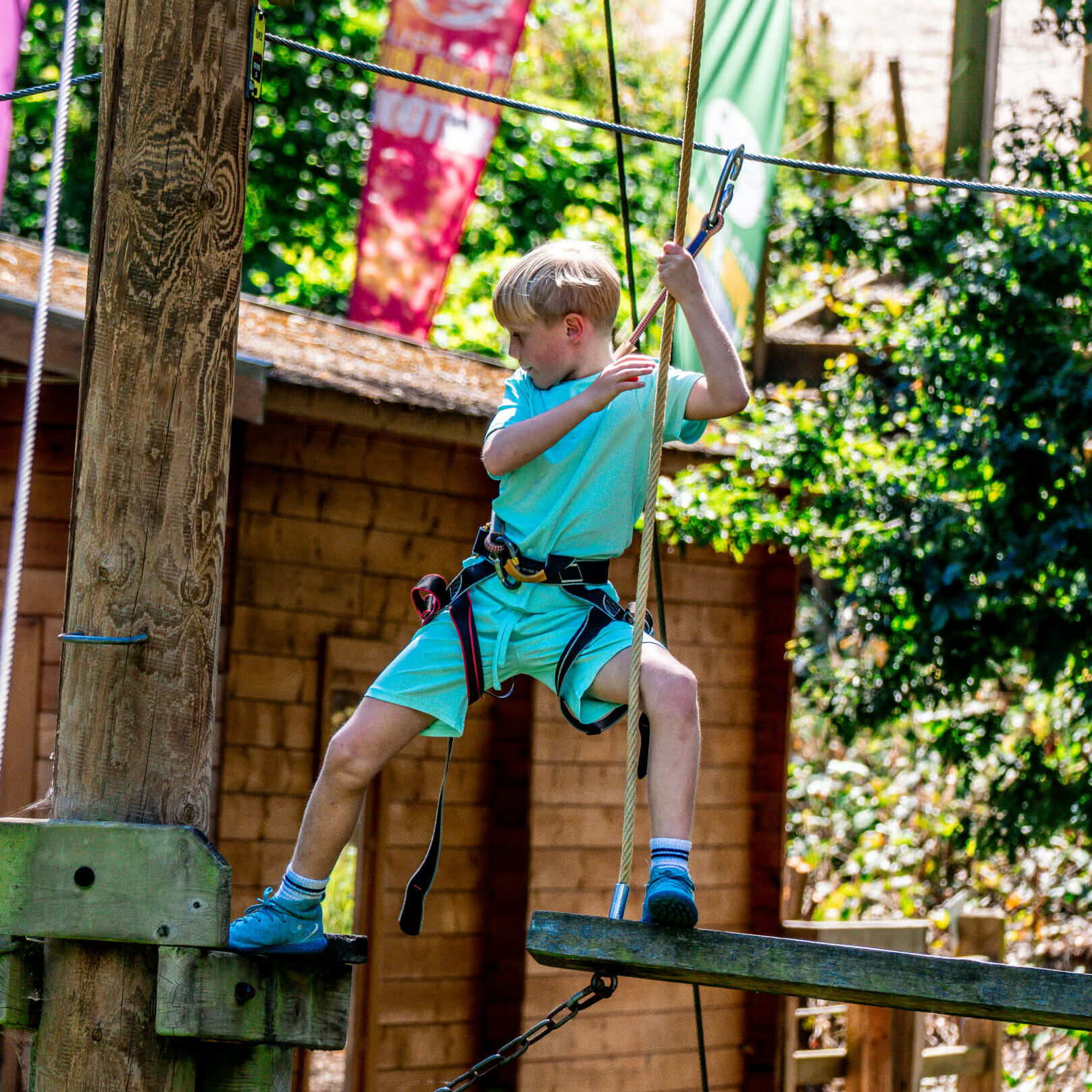



At Nuclear Essex, creating inclusive, welcoming, and supportive experiences for everyone is at the heart of what we do. That’s why our teams at Nuclear Wild Forest and Nuclear High Ropes (Adventures) recently took part in dedicated Neurodiversity Awareness Training designed to strengthen our understanding of how to better support every visitor who joins us for outdoor adventure and learning.
Delivered by specialist trainers, the session explored what neurodiversity means and how different ways of thinking, learning, and processing the world can influence a person’s experience of activities, communication, and the environment around them. The training covered a range of key topics, including strengths and challenges, executive functioning, emotional regulation, rejection sensitivity (RSD), sensory needs, masking, dopamine regulation, environmental awareness, communication, self-regulation, and guiding principles for inclusive practice. Through open discussion and real-world examples, our instructors and facilitators explored how to identify signs of sensory overload, how to adapt sessions to suit individual needs, and how to create an environment where every participant feels safe, seen, and supported.
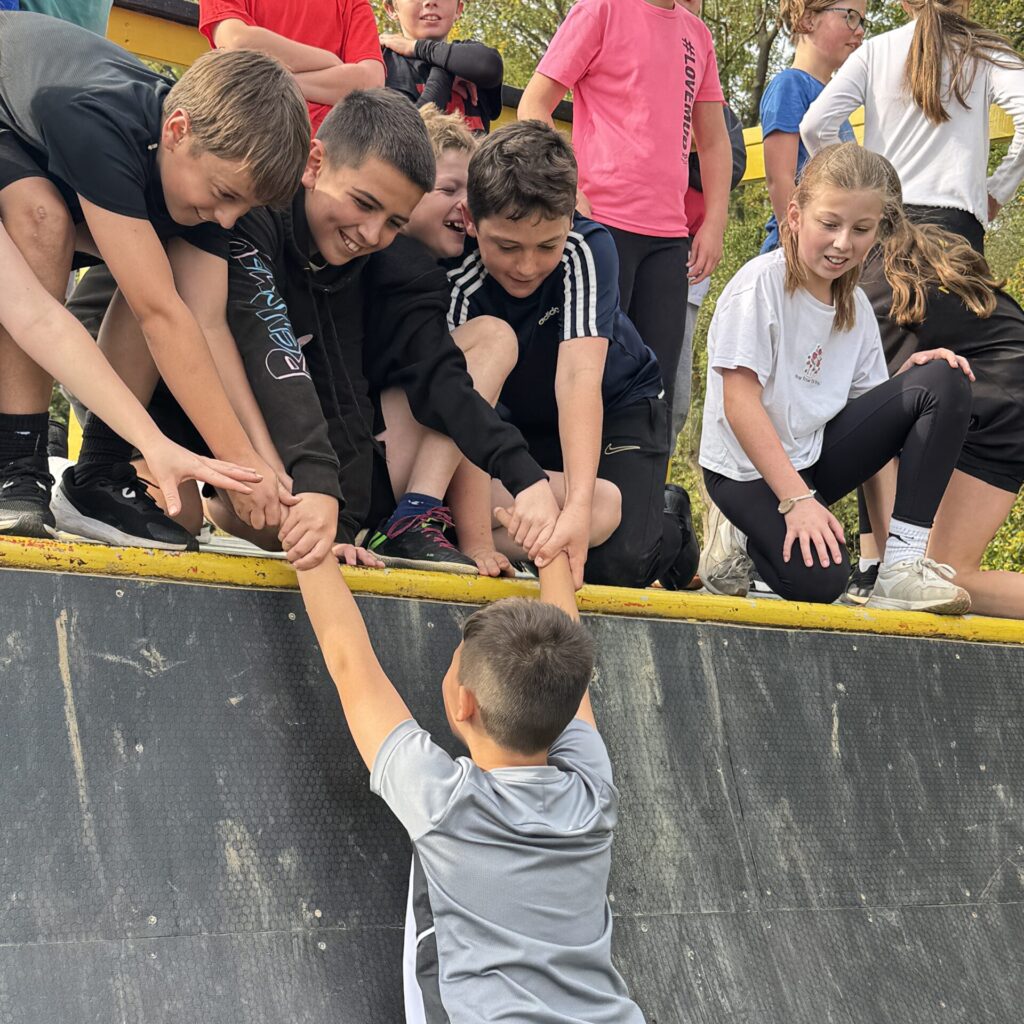
At Nuclear Wild Forest and Nuclear High Ropes (Adventures), no two days are ever the same. Our sessions bring together school groups, youth organisations, families, and individuals — all with unique personalities, strengths, and challenges. The Neurodiversity Awareness Training has equipped our team with practical strategies to support every participant in a meaningful way. From how we give instructions to how we structure activities, the training helped our instructors think about different learning styles and communication preferences. It also reinforced the importance of offering calm spaces, clear expectations, and positive reinforcement to help participants regulate emotions and enjoy their experience fully.
One of the most valuable parts of the session was exploring how the physical environment can impact neurodiverse individuals. For some, outdoor spaces provide freedom, calm, and connection; for others, noise, crowds, or unpredictability can present challenges. The training encouraged our team to think more deeply about how to balance stimulation with support, and how small adjustments, such as using visual cues, predictable routines, or offering choice, can make a big difference.
This training forms part of Nuclear Essex’s ongoing commitment to professional development and inclusion. We want everyone — whether a child visiting for their first adventure, a teacher leading a school trip, or an adult taking on a new challenge — to feel confident that they will be supported with understanding and respect. By continuing to invest in training and awareness, we’re helping our team grow in empathy, skill, and adaptability — ensuring that the spirit of adventure at Nuclear Essex is truly inclusive for all.